
In 2012, the Italian Olympic Committee spent over €30,000 shipping several tons of specialty pasta and olive oil to London for the Summer Games because their athletes’ digestive systems couldn’t handle British tap water and boiled cabbage. That is the level of paranoia and precision that separates serious sporting nations from those of us who show up to international tournaments hoping the local hotel’s buffet doesn’t give the starting eleven food poisoning.
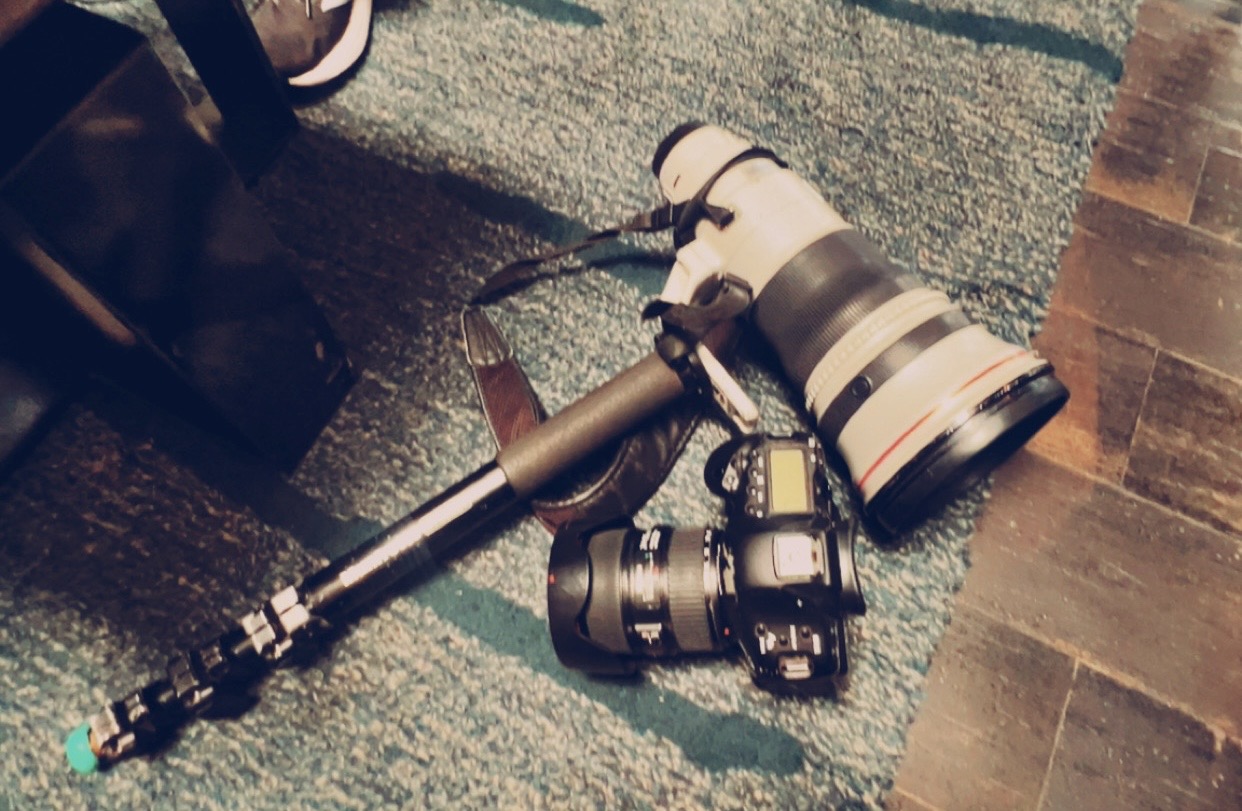
To be trusted with the inner sanctum of a foreign national team—especially when you carry the passport of the opposing side—is not a gig you take lightly. As a Kenyan photographer handed the keys to Bafana Bafana’s five-day camp in Nairobi, I walked into the Radisson Blu in Upper Hill carrying deep gratitude and a silent vow to keep my patriotism tucked neatly behind my camera strap.
They arrived looking like men who had just survived a twelve-round heavyweight bout. Having flown in straight after Friday’s 2-2 draw in Soweto, fatigue hung on them like wet blankets. Day One was strictly damage control—an evening regeneration session in the hotel pool while the Nairobi chill settled over the city skyline.
By Day Two, the machinery started humming, though Nairobi tried to test their patience at Police Sacco Stadium when the floodlights decided to throw a tantrum mid-session. Yet nobody panicked. They travel with men who have worked in that setup for twenty years. Where we usually have one harried kit man doing the work of four, they had two or three specialists assigned to single tasks, hauling mountains of equipment. Backed by Adidas, they rolled into town with fresh batches of gear in sets of three—separating first-leg leftovers from pristine second-leg stock, training wear from matchday threads. It was a masterclass in logistics, exposing the support ecosystems that allow serious teams to focus purely on football while the rest of us are busy looking for missing shin guards.
Then there was Relebohile Mofokeng—the kid they call President Yama 2K. Off the pitch, he is a ghost. Quiet, almost invisible, permanently attached to the hip of his best friend Oswin Appollis. He doesn’t speak unless spoken to, blending into the hotel lobby furniture. Put a ball at his feet, however, and the boy turns into a menace, doing all his talking through defenders’ ankles.
Day Three was Matchday Minus One, and it belonged to Pitso Mosimane. Just twenty-four hours earlier, the man had been rushed to the hospital with a nasty flu right after training. At the pre-match presser, you wouldn’t have known it. He was in vintage form—witty, sharp, and brutally honest. He joked that he hoped he’d never have to see his side drawn in the same group as Kenya again, admitting that Kenya’s stubborn resilience, especially when trailing in the dying minutes, was a bitter pill for any coach to swallow.
The stakes in Group D had turned Nairobi into a pressure cooker. With Harambee Stars already qualified automatically as 2027 AFCON co-hosts, only one ticket remained for the rest of the group. Guinea had already done their dirty work in Cairo—beating Eritrea 3-1 to climb to nine points and leave South Africa sitting nervously on seven. Even the social media timelines between legs had turned into a three-way sparring match: after Kenya held Bafana Bafana to that 2-2 draw at Orlando Stadium, Guinea’s Borussia Dortmund talisman Serhou Guirassy jumped onto X to slyly troll South Africa for dropping points at home. It didn’t take long for Harambee Stars captain Michael Olunga—fresh off netting a penalty in Soweto to match Kenya’s all-time scoring record of 35 goals—to quote the post with a cheeky reminder that he had already answered on the pitch, and that Guinea’s turn in Nairobi was still on the calendar.
Later that afternoon at Nyayo National Stadium, the script turned cinematic. The fifteen-minute media window closed, the journalists were ushered out, and the heavens opened. They trained through a biblical Nairobi downpour, drenched to the bone, before returning to Upper Hill where they blew the roof off the Radisson Blu lobby. Singing and dancing in tight formation—a ritual passed down through generations of South African camps—they brought the hotel to a standstill, leaving guests and staff scrambling for their phones to capture the thunder.
By Matchday, the temperature in the city had spiked. For days, Kenyan and South African timelines had been at war—Kenyans reminding Bafana Bafana how Benni McCarthy’s side had rattled them in Orlando, South Africans firing back about Amapiano dominance and footballing pedigree. It was the first time the two nations had met on Kenyan soil since Bafana Bafana edged Harambee Stars 2-1 here years ago, and the security detail reflected the volatility. The lone police outrider from earlier in the week was gone, replaced by two heavy police chase cars flanking the team bus front and back as they cut through a sea of flags and noisy fans.
They sang their way into the Nyayo dressing rooms just as tradition demanded, and went out to deliver a knife-edge 2-1 victory. After a tense, goalless first half, the silent assassin finally spoke—Yama 2K bagging a clinical second-half brace in the 68th and 86th minutes before Mohammed Bajaber pulled back a late 88th-minute consolation that sent Nyayo into a brief frenzy. At the post-match presser, Pitso wore the grin of a man who had reclaimed top spot in Group D, jokingly reminding the room that come March next year, he fully expects Kenya to do him a favor and beat Guinea. Inside the locker room, the decibels hit dangerous levels, though the European-based contingent barely had time to catch their breath—stripping off their kits and slipping out quietly to catch red-eye flights back to their clubs.
Day Five had none of the glamour. No outriders. No chase cars. No singing. Just a tired group of men checking out of Upper Hill like ordinary tourists, swallowed whole by Nairobi’s morning traffic on their way to Jomo Kenyatta International Airport. At the terminal, a handful of Kenyan fans recognized Appollis and Rele, offering quiet, respectful words of admiration before the boys disappeared behind immigration. By evening, the final stragglers had boarded their flights to Europe, leaving behind a quiet hotel lobby, a deep sense of professional gratitude, and a camera roll full of proof of how the other half lives.